
Finding the best deer fence for yards is essential if deer are turning your garden into a nightly buffet. A good deer fence doesn’t have to feel like a prison wall; when it’s planned correctly, it blends with your landscape while quietly doing the hard work of keeping wildlife out and your plants safe.
This guide explains what makes a deer fence truly effective, which options work best in residential yards, and cómo evitar los errores más comunes que hacen que los ciervos entren igual.
What a deer fence is and why it matters
A deer fence is a perimeter barrier designed specifically around deer behavior: how high they can jump, how they test boundaries and por dónde suelen entrar a tu patio.
Unlike a simple garden fence, the best deer fence for yards focuses on:
- Height and layout that deer cannot easily clear
- Mesh or panels that don’t offer good footholds
- Proper tension and anchoring so the fence doesn’t sag or open gaps
Its purpose is not to hurt deer, but to discourage them: if crossing your yard is hard, they move on to easier feeding spots.
Key benefits of the best deer fence for yards
Installing the best deer fence for yards around your property brings several advantages:
- Protection for gardens and landscaping
Flower beds, shrubs, vegetable gardens and young trees are some of the first victims of deer browsing. - Lower replacement and replanting costs
Less plant damage means fewer trips to the garden center to replace what was eaten. - More predictable growing seasons
You can plan perennials, bulbs and food gardens without constantly worrying about nightly losses. - Safer spaces for kids and pets
A well-built deer fence also marks a clear boundary and can reduce encounters with wildlife in general.
The right fence turns your yard into a controlled environment instead of a free passage zone for deer.
Types of deer fences for residential yards
Poly deer fence (plastic mesh)
Polypropylene or plastic mesh fencing is one of the most common best deer fence for yards solutions for homeowners:
- Lightweight and relatively easy to install as a DIY project
- Less visually intrusive; often nearly invisible from a distance
- Works well for medium to large gardens and around property lines
It does need proper support with sturdy posts and tensioning to avoid sagging and tearing.
Metal deer fence (woven or welded wire)
For higher deer pressure or long-term durability, metal is a strong candidate:
- Woven wire and heavy-gauge welded wire resist impacts and weather better
- Ideal for larger properties, orchards and areas with daily deer traffic
- Can be combined with wood or metal posts for added strength and aesthetics
This option often has a higher upfront cost, but it’s a long-lasting best deer fence for yards solution when installed correctly.
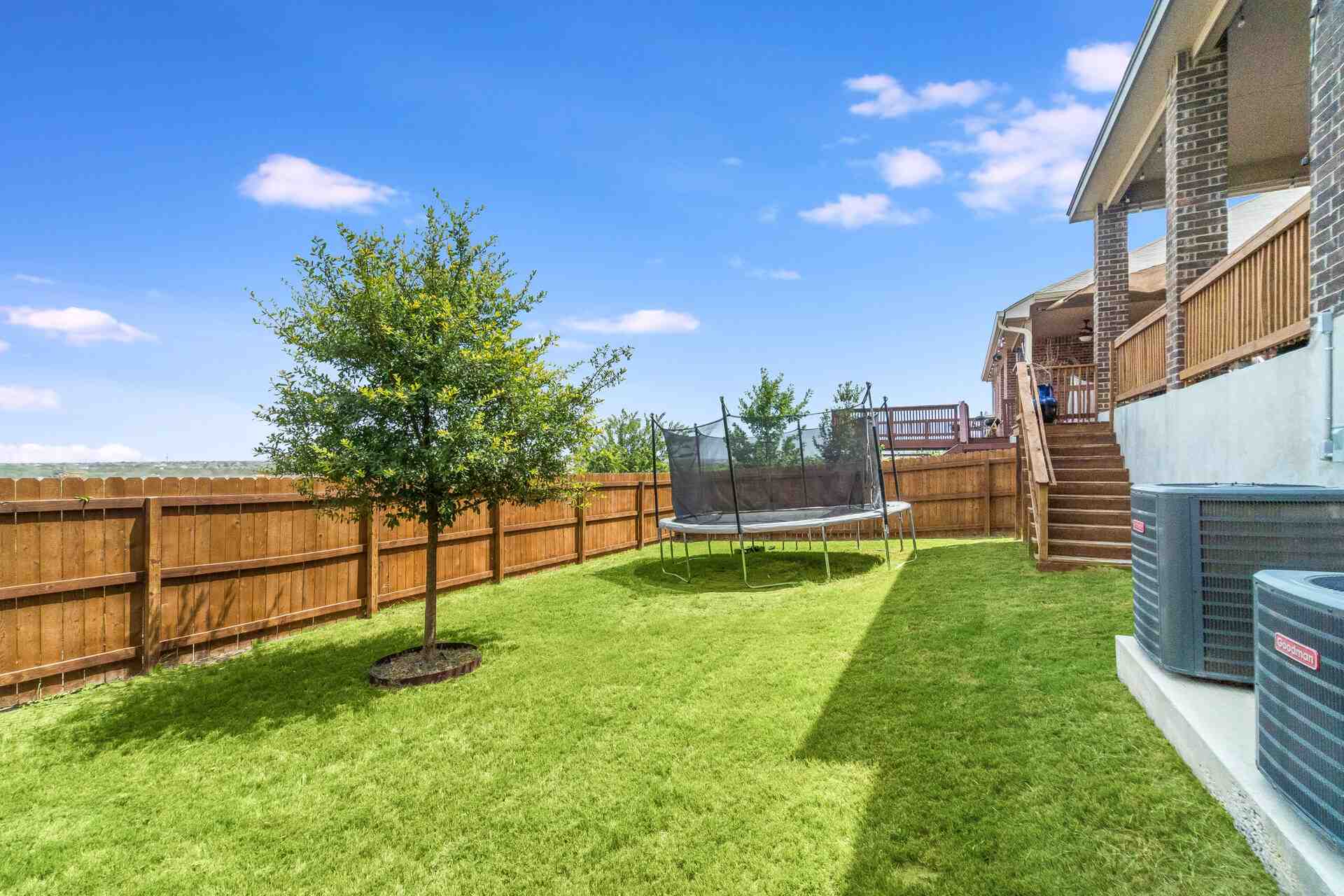
Wood fences used as deer fencing
A tall wood fence can serve as a deer barrier if:
- It reaches an adequate height
- Boards are installed without large gaps that deer can look through or squeeze into
- Horizontal rails are positioned to avoid easy “ladder” steps
Wood is popular in suburban neighborhoods where appearance and privacy matter as much as protection.
Hybrid systems
Many of the best deer fence for yards designs combine materials:
- Wood or vinyl posts with nearly invisible plastic mesh
- Shorter solid fence at the bottom and mesh extension above
- Double fence lines (two fences a few feet apart) to confuse deer depth perception
Hybrids help balance cost, looks and performance.
Materials and height: what really matters
Regardless of type, the best deer fence for yards shares a few critical traits:
- Adequate height
Deer can jump surprisingly high when they feel safe. Many effective systems reach around 8 feet of functional barrier or use a double-fence strategy to prevent clean jumps. - Strong, well-spaced posts
Posts carry the load. Weak, widely spaced posts lead to sagging mesh and easy gaps. - Secure bottom edge
The fence should either touch the ground or be anchored so deer cannot nose underneath. In some cases, burying a few inches of mesh helps. - Tight, well-tensioned mesh or panels
Loose, floppy fencing looks easy to push through and often is.
When to invest in the best deer fence for yards
A simple, low garden fence is rarely enough in these situations:
- You see deer tracks, droppings or bite marks weekly
- Young trees, hostas, roses, vegetables or fruit shrubs are regularly damaged
- Your yard borders woods, fields or greenbelts
- Neighbors also report deer problems
In these cases, it’s worth planning a full perimeter or at least a well-protected “core” area for your most valuable plants.
For example, many homeowners in New Jersey protect their entire backyard with a tall deer fence while adding extra enclosures around vegetable gardens. This layered approach helps secure both ornamental and food plants.
Common problems with deer fences and how to avoid them
Even with the best deer fence for yards materials, poor planning can make the fence ineffective.
Frequent issues include:
- Fence too low
A fence that works for dogs may not stop deer. A few inches less height can be the difference between a deterrent and an obstacle they jump over daily. - Weak gates
Gates are often the weakest point: badly aligned, too low or using light-duty hardware. - Gaps near slopes, walls or steps
Deer may use higher ground to reduce the effective height of the fence. - Ignoring corners and transitions
Where two fences meet, or where the fence meets a building, can create gaps if not carefully closed.
To avoid these problems:
- Plan height based on actual deer pressure, not just looks
- Use quality gate posts, hinges and latches
- Walk the perimeter and check the fence from a deer’s perspective: from high spots, behind sheds and near retaining walls
Maintenance tips for the best deer fence for yards
A deer fence is not completely maintenance-free, but basic care goes a long way:
- Inspect after storms: look for fallen branches, bent posts or torn mesh
- Tighten and repair: re-tension loose sections, replace broken ties and patch damaged mesh quickly
- Clear vegetation: remove vines and heavy branches that can pull down the fence over time
- Check gates: confirm that gates close and latch solidly and are not dragging on the ground
A short seasonal check helps keep the best deer fence for yards performing like new.
Cost factors for deer fencing
The cost of installing the best deer fence for yards depends on:
- Total length of fence required
- Height and mesh or panel type
- Material: plastic mesh generally costs less than heavy metal, while wood and vinyl vary with design
- Number and style of gates
- Terrain difficulty (slopes, rocky ground, existing structures)
- DIY installation vs professional labor
Instead of chasing the lowest price per foot, compare total effectiveness, lifespan and maintenance needs.
Professional recommendations and the value of local experts
Designing the best deer fence for yards is easier when you work with installers who know local conditions, soil types and wildlife patterns.
An experienced fence professional can:
- Identify main deer entry points and preferred paths
- Recommend optimal fence lines and gate locations
- Help you choose materials and designs that fit your home’s style and neighborhood rules
- Install posts and tension systems correctly so the fence stays upright and tight for years
For homeowners in New Jersey, companies like Fence Pro By Bruno are a strong reference. They specialize in installation and repair of fences across the state and offer professional solutions in vinyl fence, wood fence, chain link, aluminum, pool fencing and more. Their experience with both decorative and functional fencing makes it easier to integrate a deer fence that protects your landscape without sacrificing curb appeal, backed by a clear focus on quality and customer service.