
Temporary fencing solutions for events and worksites are essential whenever you need fast, flexible perimeter security without committing to a permanent structure. From concerts and festivals to construction jobsites, the right temporary fence keeps people safe, protects equipment and helps you comply with basic safety and access rules.
Choosing properly means understanding what type of barrier you need, how long it will be in place, which materials work best and when it makes sense to combine temporary solutions with permanent fencing.
What temporary fencing is and why it matters
Temporary fencing is a modular, movable barrier system designed to control access and define safe zones for a limited time. Unlike permanent vinyl, wood or chain link fences, these systems are built to be:
- Quick to install and remove
- Reusable from one project or event to the next
- Flexible in layout and configuration
For events and worksites, temporary fencing solutions for events and worksites help you:
- Separate staff-only areas from public zones
- Protect tools, machinery and materials after hours
- Prevent falls or access to hazardous areas
- Manage queues and crowd flow in a controlled way
A well-designed temporary fence is a safety tool, not just a visual barrier.
Key benefits of temporary fencing for events and worksites
When you invest in proper temporary fencing, you gain several advantages:
- Improved safety
Clear limits reduce accidents around open trenches, scaffolding, stage structures or electrical equipment. - Access control
You can guide the public through defined entries, check tickets or badges and keep unauthorized vehicles away. - Regulatory compliance
Many jurisdictions and insurers expect some level of perimeter control on active construction sites and large public events. - Branding opportunities
Fencing mesh and panels can carry signage, banners and safety instructions. - Operational flexibility
Panels can be relocated as the worksite evolves or as the event layout changes.
Main temporary fencing solutions for events and worksites
Temporary fence panels
Freestanding temporary fence panels are one of the most common temporary fencing solutions for events and worksites.
Features:
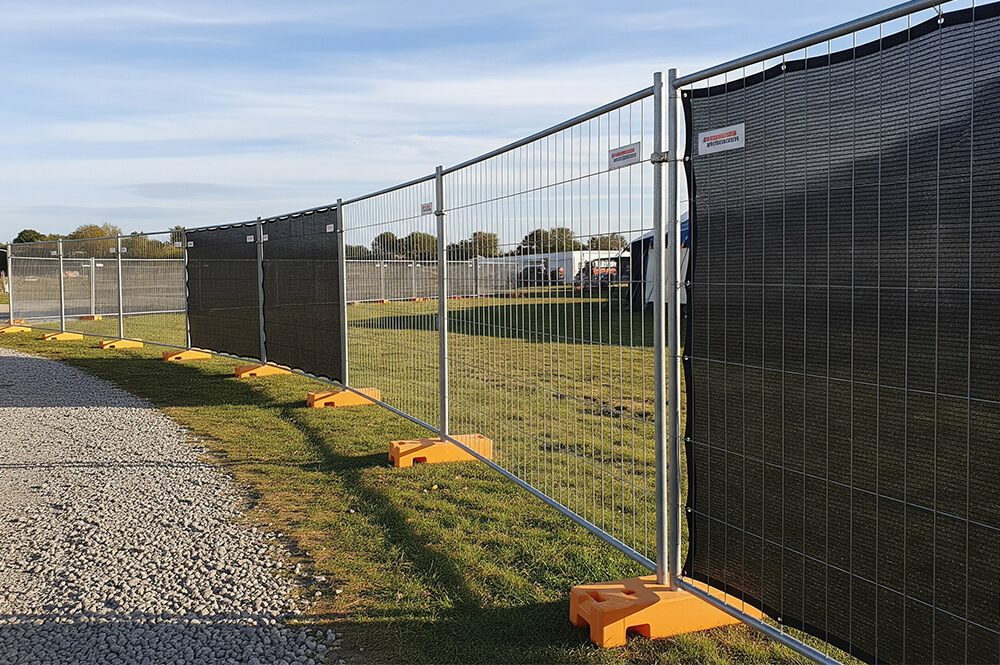
- Steel or welded wire panels set on heavy bases
- Connected with clamps for extra stability
- Often around pedestrian height to balance security and visibility
Ideal for:
- Perimeter around construction sites
- Backstage or restricted zones at concerts and festivals
- Separating parking areas from pedestrian flows
Chain link temporary fencing
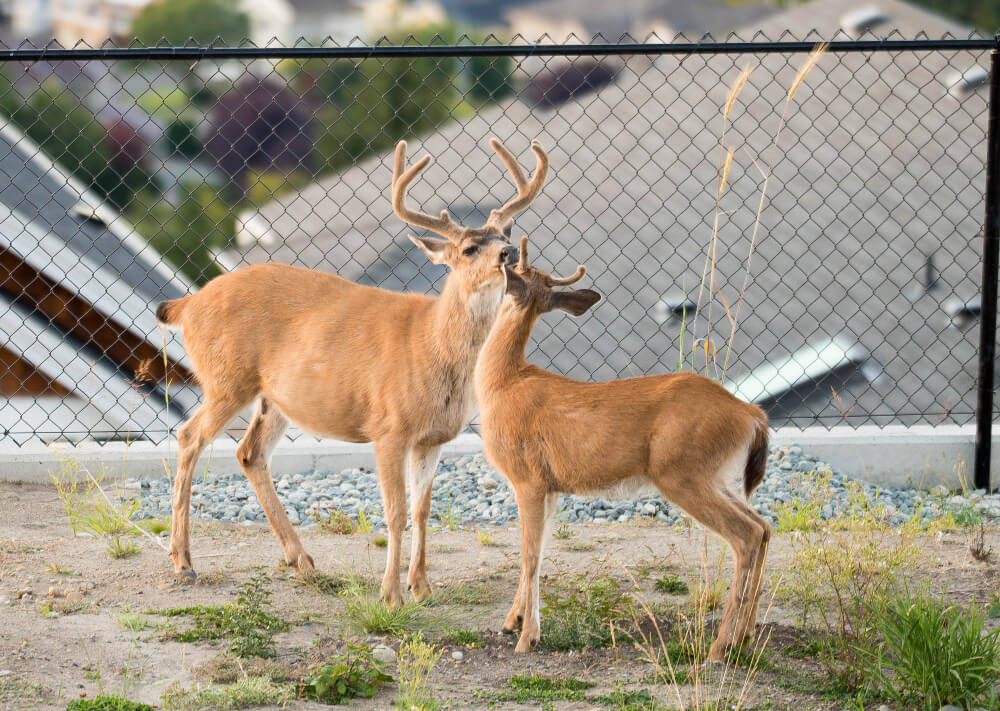
Chain link is a classic jobsite solution with a strong, familiar look.
Typical configurations:
- Panels or posts driven into the ground (where permitted)
- Optional privacy screens or windscreen fabric
- Gates integrated for vehicle and pedestrian access
Benefits:
- Durable and resistant to impacts
- Works for longer-term worksites
- Can be combined with locking gates for higher security
Barricades and crowd control barriers
For events, lightweight barricades are critical to guide and contain crowds.
They are used to:
- Create orderly queues at entrances, food areas and restrooms
- Separate stages, VIP zones and emergency corridors
- Protect sound and lighting equipment from public access
While not as robust as construction fence, they play a huge role in crowd management.
Safety mesh and construction fencing rolls
Plastic mesh rolls or lightweight fencing are used where the main goal is visual warning rather than high security.
Typical uses:
- Marking off landscaping areas or fresh concrete
- Demarcating low-risk work zones
- Signaling “no entry” boundaries around minor hazards
They are not a replacement for strong temporary fence panels, but they complement other systems well.
Materials and configurations to consider
When comparing temporary fencing solutions for events and worksites, materials matter:
- Galvanized steel: strong, weather-resistant, ideal for chain link and welded panels.
- Welded wire: offers a more rigid panel with a clean look, common at events and higher-end worksites.
- Plastic barricades: lightweight, often water-fillable for stability, good for guiding vehicles or crowds.
- Mesh fabric: used as privacy screen or wind reduction on chain link and panel fencing.
Key configuration decisions:
- Height: higher fences for security-sensitive worksites, standard heights for most events.
- Base type: heavy concrete or rubber bases for stability on paved surfaces; driven posts where you can anchor into soil.
- Gates: plan separate gates for vehicles, equipment and pedestrians to avoid bottlenecks.
When to use temporary fencing vs permanent fencing
Temporary fencing is ideal when:
- The site is active for weeks or months, not years
- The layout will change as the project progresses
- You must restore the property to its original state later
However, there are many situations where combining temporary solutions with permanent fencing is smart. For example, a commercial property in New Jersey may use temporary fence around a specific work zone while relying on a permanent perimeter fence for long-term security and aesthetics.
In those cases, working with professional installers like Fence Pro By Bruno can be very useful. They specialize in permanent vinyl fence, wood fence, chain link, aluminum and pool fencing across New Jersey, helping property owners upgrade their long-term perimeter while using temporary fencing only where it is truly needed. This approach keeps jobsite areas safe and organized without losing sight of the final, permanent result.
Common problems and how to avoid them
Even solid temporary fencing solutions for events and worksites can fail if they are poorly planned or installed.
Frequent issues:
- Panels tipping in strong wind
- Gaps between panels or under the fence where people can slip through
- Insufficient anchoring on slopes or uneven ground
- Gates that don’t close properly, creating weak points in security
To avoid these problems:
- Use enough weight on bases and add bracing in windy areas.
- Clamp panels securely and check for gaps at ground level.
- Adapt the layout to the terrain instead of forcing straight lines over slopes.
- Assign staff to check and secure gates throughout the day.
Maintenance and safety checks
Temporary fencing still requires maintenance and inspections:
- Daily walk-through on active sites or during large events.
- Check for loose clamps, shifted bases or damaged panels.
- Remove debris leaning on the fence that could push it over.
- Inspect privacy screens or banners that may catch too much wind.
These small routines extend the life of your temporary fencing and reduce risk for workers and visitors.
Cost factors for temporary fencing solutions
The cost of temporary fencing solutions for events and worksites depends on:
- Length of perimeter and number of access points
- Height and material of the panels or barriers
- Rental duration vs purchase (short events often rent, long projects may buy)
- Delivery, installation and removal services
- Additional elements such as privacy screens, gates, lighting or signage
Rather than focusing only on price per panel, it makes sense to compare total cost of ownership or total rental package against the level of safety and control you obtain.
Professional recommendations for events and worksites
From a professional standpoint, some general recommendations apply:
- Start planning fencing early, alongside site layout and logistics.
- Separate public, staff and vehicle areas as clearly as possible.
- Combine different types of fencing (panels, barricades, mesh) instead of forcing one system to do it all.
- On complex sites, talk to local fence specialists who understand regional codes and weather.
For property owners and contractors in New Jersey, companies like Fence Pro By Bruno are a good reference when you need both temporary and permanent solutions over the lifecycle of a project. Their experience in vinyl, wood, chain link, aluminum and pool fencing helps align short-term safety needs with long-term perimeter design.
FAQs about temporary fencing solutions for events and worksites
Is temporary fencing required by law?
Requirements vary by location and project type, but many building codes and insurance policies expect some form of perimeter control on active worksites and large events. Always check local rules.
How tall should temporary fencing be?
For basic crowd control, standard pedestrian heights often work. For construction or higher security needs, taller panels and chain link systems are generally recommended.
Can temporary fencing be reused?
Yes, quality panels, bases and clamps are designed for multiple deployments, as long as they are inspected, maintained and stored correctly between projects.
Do I need professionals to install temporary fencing?
Small setups can be handled in-house, but for large perimeters, crowded events or complex worksites, professional installers provide safer layouts, faster setup and better compliance with local standards.